
How Onsite Commissioning Support Can Make or Break a Burner Control Upgrade
Even the best burner control system can fail to perform without proper installation, start-up, and tuning. Upgrading a burner control system is a major investment in safety, compliance, and performance. The value of that investment hinges on what happens during the final phase of installation, the commissioning.
Commissioning is more than flipping a switch. It’s the process of validating that the new system is installed correctly, functioning as designed, and fully optimized for the plant’s operating conditions.
When commissioning is done with experienced, onsite support, you can expect a smooth transition and lasting performance. When it’s not, you run the risk of delays, costly rework, and safety risks.
Read on to learn why onsite commissioning support is a critical success factor for any burner control upgrade.
Real-Time Troubleshooting, Not Trial-and-Error
Burner systems are complex, with interlocks, sensors, flame safeguards, purge timers, pressure switches, and more. Even with a well-built panel, real-world variables like wiring issues, misaligned actuators, or incorrect sensor calibration can derail a startup.
Having an experienced technician onsite means:
- Wiring errors are caught and corrected immediately
- Field devices are tested live
- Faults are diagnosed at the source, not over email
Without this support, even minor issues can trigger frustrating delays or system lockouts.
System Optimization Based on Actual Conditions
No two burners operate under identical conditions. Process loads, fuel quality, ambient air, and burner age all affect how a system performs.
An onsite commissioning specialist can:
- Fine-tune air-fuel ratios
- Adjust purge cycles and burner light-off sequences
- Verify flame detection reliability
- Ensure emissions targets are being met
This performance tuning is what transforms a functional upgrade into a high-efficiency, code-compliant solution.
Safety Verification and Compliance Checks
Many facilities upgrade burner controls to meet NFPA 85, 86, or 54 standards. But simply installing compliant hardware isn’t enough — it must be tested in the field.
Onsite commissioning support ensures:
- All interlocks function correctly
- Emergency shutdowns trigger as expected
- Proof-of-closure and purge sequences are verified
- System documentation is updated to reflect field reality
This protects both the facility and the installer from risk, while satisfying inspectors and insurance providers.
Hands-On Operator and Maintenance Training
Operators need to understand how the new system works, especially when moving from analog to digital controls.
With the technician onsite, teams can be trained on:
- How to interpret HMI messages and alarm codes
- What to do in the event of a lockout
- How to verify flame signal strength or troubleshoot inputs
- Reset procedures and LOTO compliance
This reduces calls for support later and empowers in-house staff with confidence and clarity.
Reduced Downtime and Smoother Transitions
When commissioning is properly supported, start-up timelines are faster and more predictable. Projects stay on schedule, and production resumes with fewer hiccups.
Without onsite help, teams may spend hours (or days) trying to diagnose issues that a trained tech could solve in minutes.
Don’t Let a Great System Fail at Start-Up
Even the most well-designed burner management system won’t deliver value if it’s not brought online correctly. Onsite commissioning support bridges the gap between design and performance, reducing risk and maximizing ROI.
Engineered Combustion Systems (ECS) provides full onsite commissioning and start-up services for every burner control upgrade we deliver. ECS engineers validate wiring, fine-tune combustion settings, train plant staff, and ensure systems are safe, compliant, and optimized from day one.
Call (248) 549-1703 to learn more about our turnkey combustion system support or request a quote today.
 How Engineered Combustion Systems is Serving the EV Market
  Combustion Plus Now Offering Special Pricing on Popular In-Stock Items
 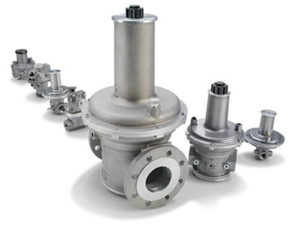 Ventless Gas Trains Reduce or Eliminate Field Vent Piping