
Why Building Materials Facilities Rely on Custom Fuel Trains
Overview Summary
- Building materials plants expose combustion systems to extreme dust, vibration, and heat
- Catalog fuel trains are designed for generalized environments, not harsh process conditions
- Custom fuel trains are engineered around real plant constraints and duty cycles
- Proper mechanical layout and component selection reduce nuisance trips and failures
- Integration with legacy burners and controls lowers startup and compliance risk
- Custom systems improve uptime, safety audits, and long-term maintainability
Combustion Systems Face Harsher Conditions in Building Materials Plants
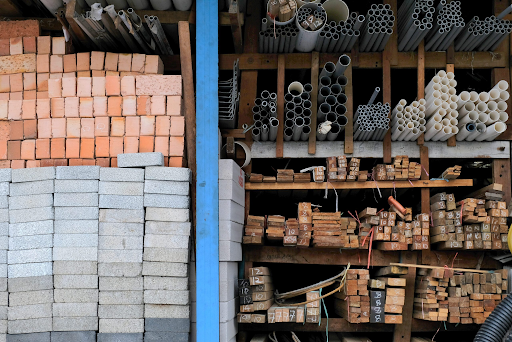 Cement kilns, asphalt dryers, gypsum calciners, and mineral processing lines operate in environments that push combustion equipment far beyond “typical” industrial conditions. Fine particulate dust is ever-present. Mechanical vibration is continuous. Ambient and radiant temperatures fluctuate widely throughout the day and season.
In these settings, combustion system reliability directly affects throughput. A burner lockout or valve failure doesn’t simply slow production, it can halt an entire line, disrupt downstream processes, and trigger costly restarts.
These realities explain why many building materials facilities struggle when fuel trains are selected from catalogs instead of engineered for the plant itself.
Why Catalog Fuel Trains Fall Short in Harsh Process Environments
Off-the-shelf fuel trains are designed to meet code requirements across a broad range of applications. While they may technically comply, they often lack the durability needed for severe operating conditions.
Common failure points include:
Dust-related performance issues
Fine abrasive dust can infiltrate valve mechanisms, limit switch housings, and sensing components. Over time, this leads to sticking valves, failed proof-of-closure checks, and unreliable flame detection.
Vibration-induced mechanical stress
Constant vibration loosens fittings, fatigues piping supports, and shortens actuator life. Standard mounting assumptions rarely account for this level of mechanical movement.
Heat exposure beyond component limits
Radiant heat from kilns, dryers, or furnaces degrades wiring insulation, elastomer seals, and electronic components. Generic layouts often place sensitive devices too close to heat sources.
Mismatch with existing equipment
Many building materials plants operate equipment installed decades apart. Catalog assemblies rarely align cleanly with legacy burners, older control architectures, or space constraints without modification.
When these issues surface, they often do so during startup or peak production, when downtime is most disruptive.
How Custom Fuel Trains Are Engineered Differently
Custom fuel trains start with an understanding of how the plant actually operates, not with a predefined part number.
At Engineered Combustion Systems, valve trains and burner systems are engineered around the specific challenges found in building materials facilities, including:
Component selection based on exposure
Valve bodies, seals, actuators, and sensors are chosen to withstand dust loading, vibration, and elevated temperatures, not just nominal service ratings.
Mechanical layouts built for stability
Piping geometry, support locations, and mounting methods are designed to resist vibration and reduce long-term mechanical fatigue.
Thermal-conscious system design
Sensitive components are shielded, spaced, or relocated to minimize heat exposure and extend service life.
Seamless integration with existing systems
Custom designs account for existing burners, controls, plant standards, and available space, reducing rework and startup complications.
This approach improves more than reliability, it simplifies commissioning, maintenance, and documentation.
Why Maintenance Teams Favor Custom Solutions
From a maintenance perspective, the advantages of custom fuel trains show up quickly:
- Fewer lockouts and nuisance trips
- More consistent startups after shutdowns or maintenance
- Clear documentation that matches the installed system
- Easier spare parts planning and troubleshooting
- Reduced emergency service calls during peak production
Instead of adapting plant operations to a generic assembly, custom fuel trains adapt the system to the plant.
Built for the Way Building Materials Plants Really Run
Combustion systems for building materials facilities must be designed with the reality of those facilities in mind. When fuel trains are engineered for dust, vibration, heat, and legacy constraints, they stop being the weak link in production.
Custom systems don’t just meet code requirements. They support uptime, protect safety margins, and deliver predictable performance in some of the toughest industrial conditions.
How Engineered Combustion Systems Supports Custom Fuel Train Design
Engineered Combustion Systems designs and integrates custom gas trains, burner systems, combustion control panels, and retrofit solutions specifically for demanding industrial environments like cement, asphalt, gypsum, and mineral processing plants.
From application review and component selection to documentation, commissioning support, and long-term service, ECS helps facilities move beyond catalog limitations and toward combustion systems that are built for real-world operation.
If your plant is dealing with repeated combustion issues or unreliable fuel train performance, contact Engineered Combustion Systems to discuss a custom-engineered solution.
 Ensuring Efficiency and Safety in the Operation of Gas Trains